





Houses with room around them
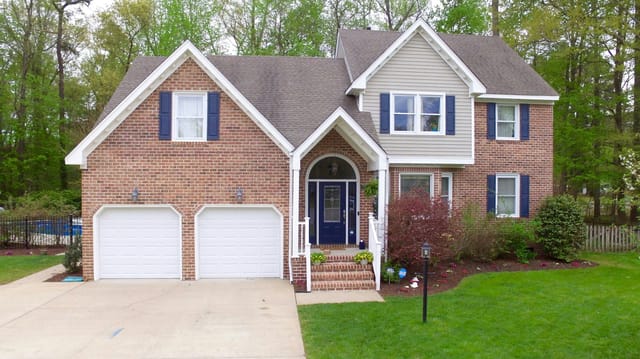
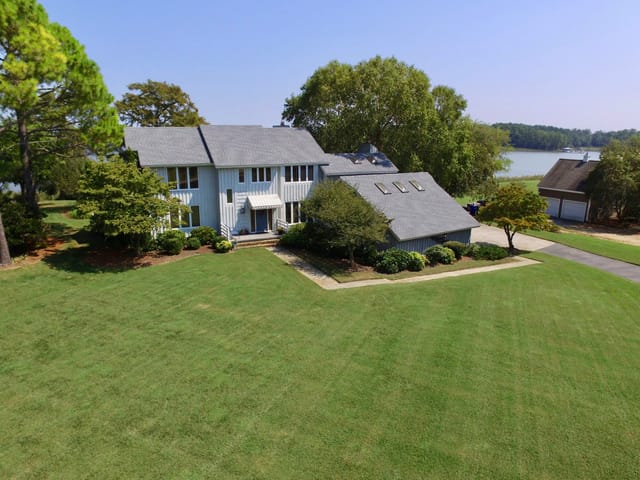
Chesapeake covers about 339 square miles of land, more than six times the size of Norfolk, and holds about 252,600 people in roughly 96,800 homes. Two thirds of those homes (67.4%) are detached houses, and only 12.2% are in buildings of five or more units. Three in four occupied homes are lived in by their owners: the renter share, 25.6%, is the lowest of the six cities we serve.
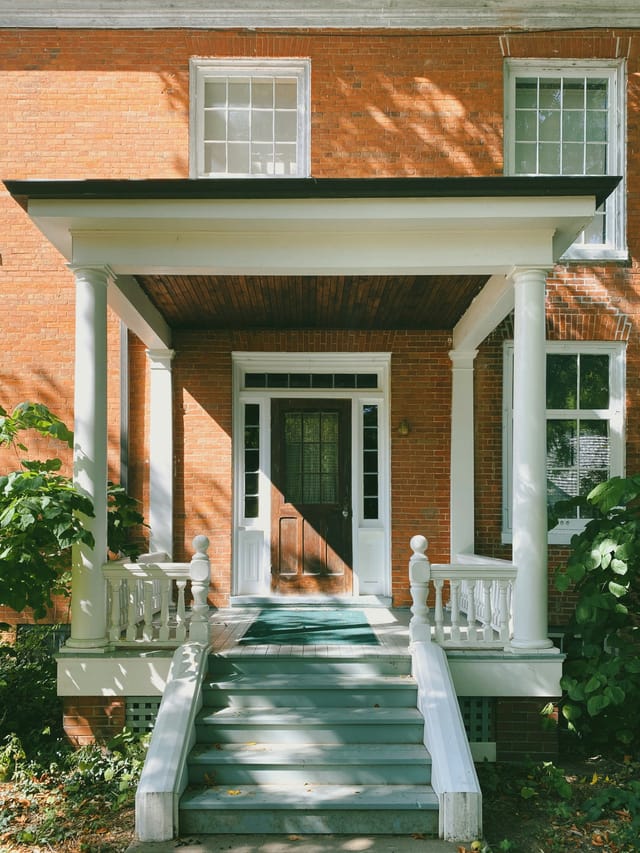
The houses are newer, too. The median Chesapeake home was built in 1989, and fewer than a third (31.7%) were built before 1980. That changes the questions we ask. On a newer house the conversation is less about old paint and plaster and more about the roof, the windows and doors, and the floors families wear in.
Great Bridge and the drive
Chesapeake City Hall stands in Great Bridge, where Virginia riflemen under Colonel William Woodford routed the British in December 1775 before going on to occupy Norfolk. Today it is about 11 road miles from Norfolk City Hall, around 17 minutes with no traffic, so Chesapeake calls are close for our crew.
Rain, wind and big storms
Chesapeake takes the same storms as the rest of Hampton Roads. When Hurricane Matthew passed offshore in October 2016, 6 to 11 inches of rain fell over southeast Virginia, and the National Weather Service reported considerable flooding in Virginia Beach and Chesapeake. Water that sits in a house does damage fast: EPA says wet materials dried within 24 to 48 hours usually won't grow mold. That is why we answer emergency repair calls at any hour.
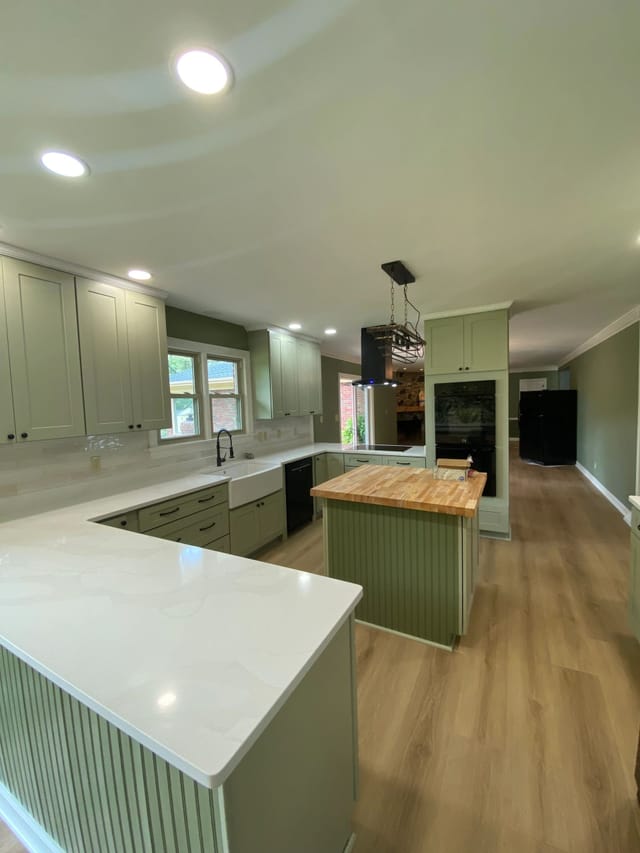
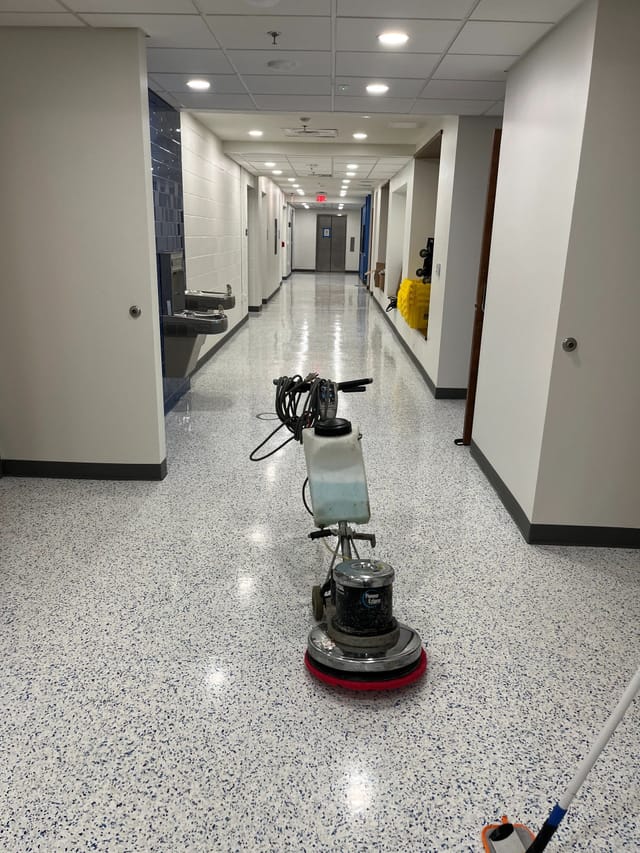
Flood-prone floors deserve a second thought when they are replaced. FEMA's guidance for buildings in flood zones rates carpet, solid wood, engineered wood and laminate flooring as unacceptable below the base flood elevation, while ceramic or porcelain tile set in mortar, terrazzo and homogeneous vinyl laid with chemical-set adhesives are acceptable.
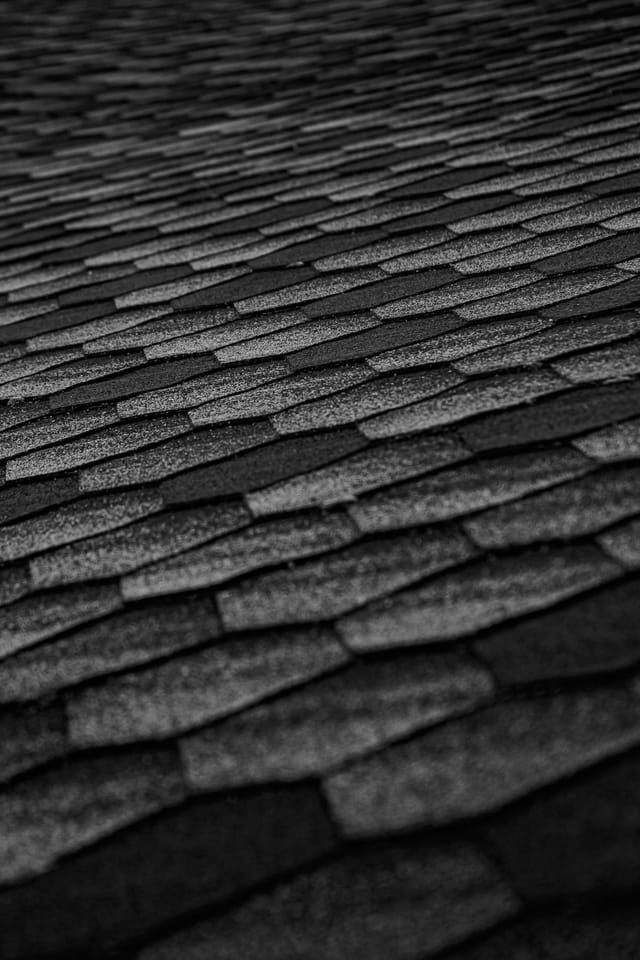
For roofs, the federal Building America guidance on shingles in high wind areas is a good checklist for any re-roof here: six nails per shingle placed in the nailing zone, no staples, drip edge at eaves and rakes, and flashing at every roof penetration and wall. State code lets a house replace its roof covering without a permit only where the nominal design wind speed is 100 mph or less, so we check with the city's building department before a full re-roof.
Sources
- American Community Survey 2024 5-year estimates, via the Census Reporter API U.S. Census Bureau.
- Chesapeake city, VA: land area, TIGER/Line 2024 U.S. Census Bureau, via Census Reporter.
- Norfolk city, VA: land area, TIGER/Line 2024 U.S. Census Bureau, via Census Reporter.
- Norfolk, Virginia Encyclopaedia Britannica (the Battle of Great Bridge).
- Chesapeake City Hall, geocoded OpenStreetMap Nominatim.
- Drive times, OSRM route service OpenStreetMap data, free-flow times.
- The hurricane history of central and eastern Virginia National Weather Service, Wakefield.
- A brief guide to mold, moisture and your home U.S. Environmental Protection Agency.
- Asphalt shingle roofs U.S. Department of Energy, Building America Solution Center.
- 13VAC5-63-80, Virginia Uniform Statewide Building Code, Section 108 Application for permit Virginia Administrative Code.
- Technical Bulletin 2: Flood damage-resistant materials requirements (2025) Federal Emergency Management Agency.


