




Wind-driven rain finds the gaps
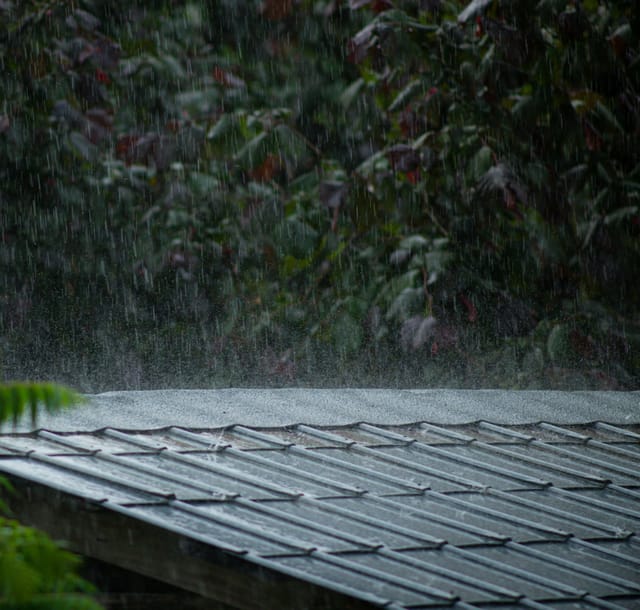
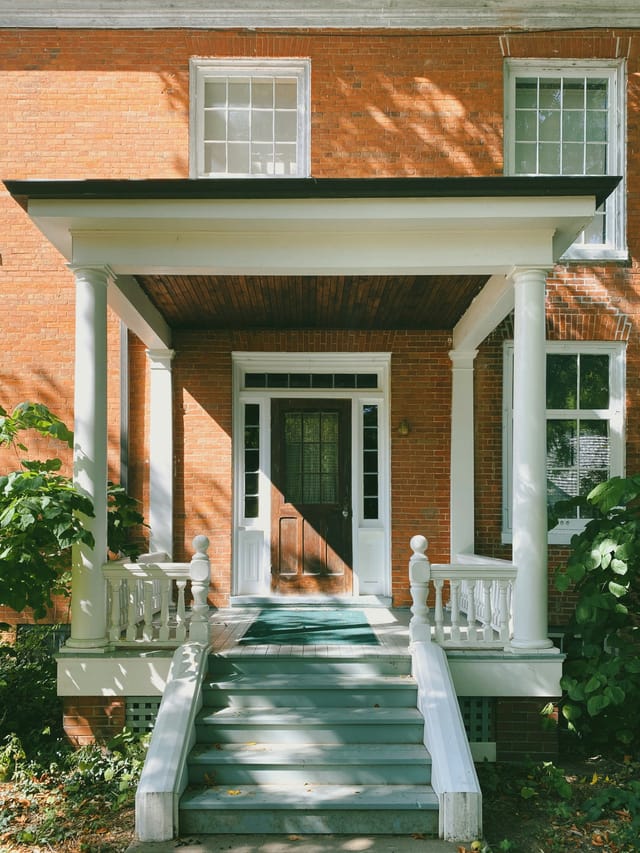
In a storm, wind drives rain almost sideways, and the openings in a wall are where it gets in. IBHS testing shows that wind-driven rain can even be blown up under roof overhangs. Its FORTIFIED program also points to doors as a weak spot: a failed garage door lets wind and pressure into a house, so it calls for garage doors rated for high pressures and, in hurricane-prone areas, garage doors with windows rated to withstand impact from windborne debris. Before a storm, Ready.gov suggests considering hurricane shutters.
The slow leaks matter as much as the dramatic ones. A window with cracked caulk, a sill that has started to rot or a door that no longer seals lets water into the wall below it, and in a damp climate that water can sit. The EPA says water-damaged materials should be dried within 24 to 48 hours to keep mold from growing, and that condensation on windows is a sign of high humidity to deal with quickly. When we replace a window or a door, we look at the sill, the framing and the drywall around it, and repair what the water has reached.
When a replacement needs a permit
Virginia's building code treats some replacements as ordinary repairs that need no permit: windows and doors of similar operation and opening dimensions that don't require changes to the existing framed opening and aren't required to be fire rated, in houses and in apartments serving a single unit. Norfolk's permit guidance says building permits are not required for replacement windows of the same size. Virginia Beach's residential permits page lists replacing windows or exterior doors where the frames or jambs are altered among the work that needs a permit, and its storm recovery guidance says replacing windows like for like on a single family home does not.
Two exceptions apply anywhere in the state. A building official may require a permit for replacement windows, siding and roofing in a locally designated historic district, and for exempt work in a special flood hazard area. Enlarging an opening or adding a window means cutting into the wall and new framing, which Norfolk and Virginia Beach both list among the work that needs a permit.
Older homes and the EPA's window rule
Much of Hampton Roads' housing predates 1980: 67.4 percent of homes in Norfolk, 68.1 percent in Portsmouth and 51.3 percent in Newport News, by the Census Bureau's 2024 five-year estimates. Paint in homes built before 1978 may contain lead, and taking out an old window disturbs the paint on its sash and frame.
The EPA's Renovation, Repair and Painting rule covers paid work that disturbs paint in housing built before 1978, and it names window replacement directly. Most small repairs are exempt if they disturb six square feet or less of paint per room inside, or 20 square feet or less outside, but window replacement and demolition of painted surfaces are always covered, whatever the size. Firms doing that work must be EPA certified and follow lead-safe work practices. If your home was built before 1978, ask any contractor you hire for their EPA firm certification before the old windows come out.
Choosing a window
ENERGY STAR certified windows, doors and skylights are made by an ENERGY STAR partner and are independently tested, certified and verified by the National Fenestration Rating Council, and the performance they must meet varies by climate zone. Frame material is the other big choice. ENERGY STAR describes vinyl frames as low maintenance with good thermal insulation, fiberglass as strong and durable, aluminum as durable with thermal breaks to cut heat loss, and wood as strong, well insulated and generally favored in historic neighborhoods, often clad in aluminum or vinyl outside.
What moves the price
The number and size of the openings, standard or custom sizes, the frame material and glass, rot in the sill and framing, how much trim and drywall has to be rebuilt, upper floors and access, lead-safe work in a pre-1978 home, and the painting all move the number. We quote each opening once we've measured it.
Sources
- IBHS: FORTIFIED Roof
- Ready.gov: Hurricanes
- EPA: A brief guide to mold, moisture and your home
- Virginia Administrative Code 13VAC5-63-80: USBC section 108, permits
- City of Norfolk: Permit questions
- City of Virginia Beach: Residential building permits
- City of Virginia Beach: Storm recovery information, Planning and Community Development
- U.S. Census Bureau ACS 2024 5-year estimates via Census Reporter
- EPA: Renovation, Repair and Painting program for contractors
- EPA: Renovation, Repair and Painting program for do-it-yourselfers
- ENERGY STAR: What makes it ENERGY STAR? Residential windows, doors and skylights
- Stormy Services intake (2026-11-23)


