








A routine clean, a deep clean and a construction clean
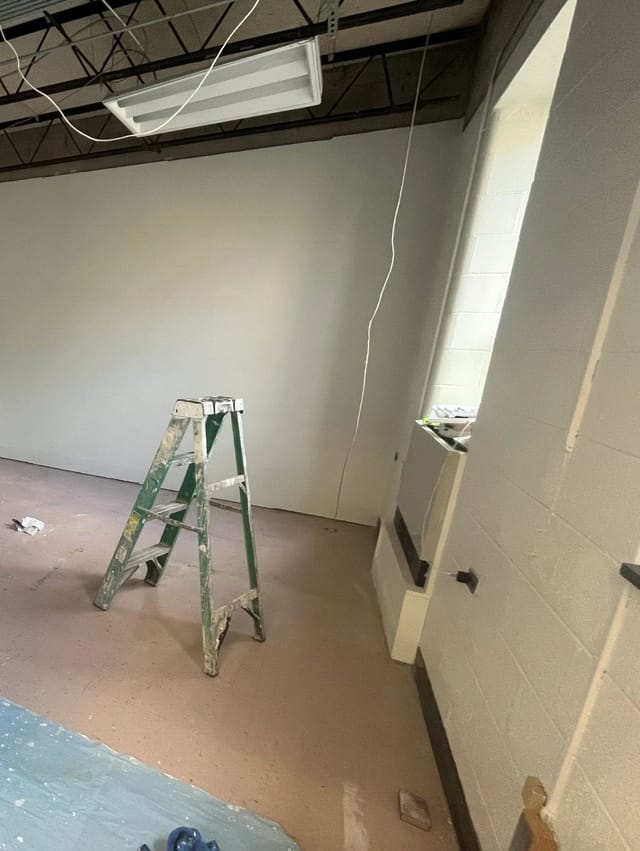
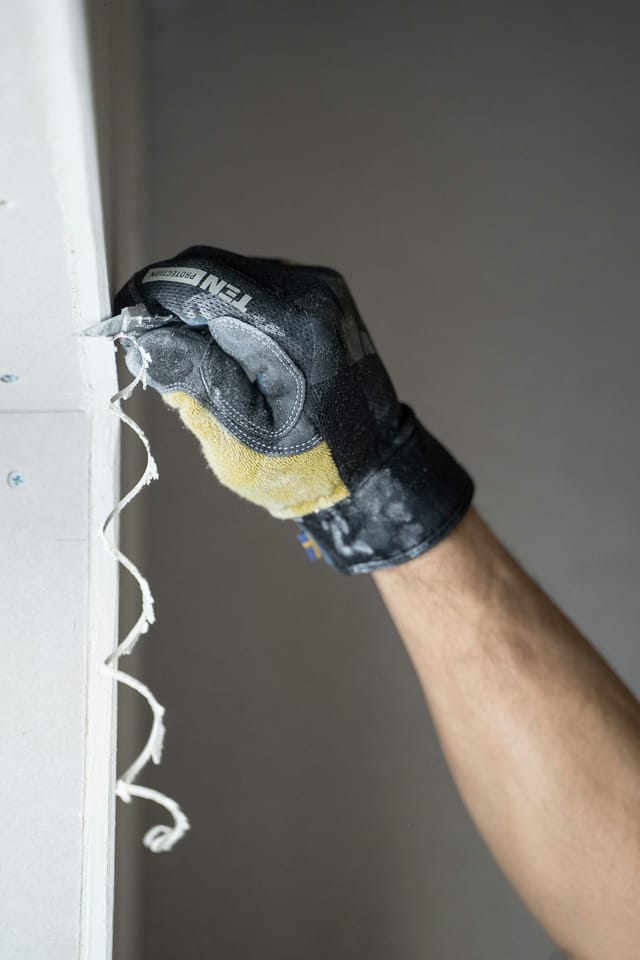
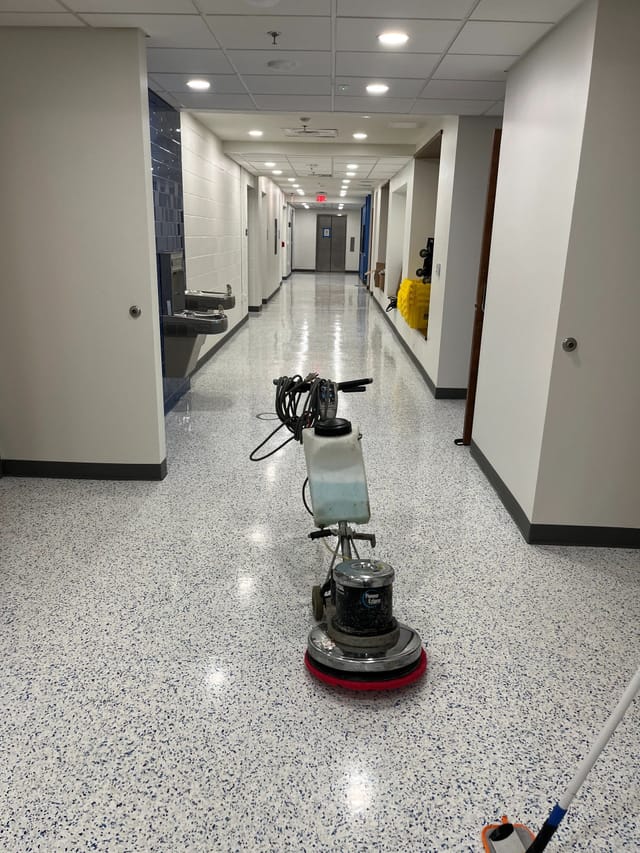
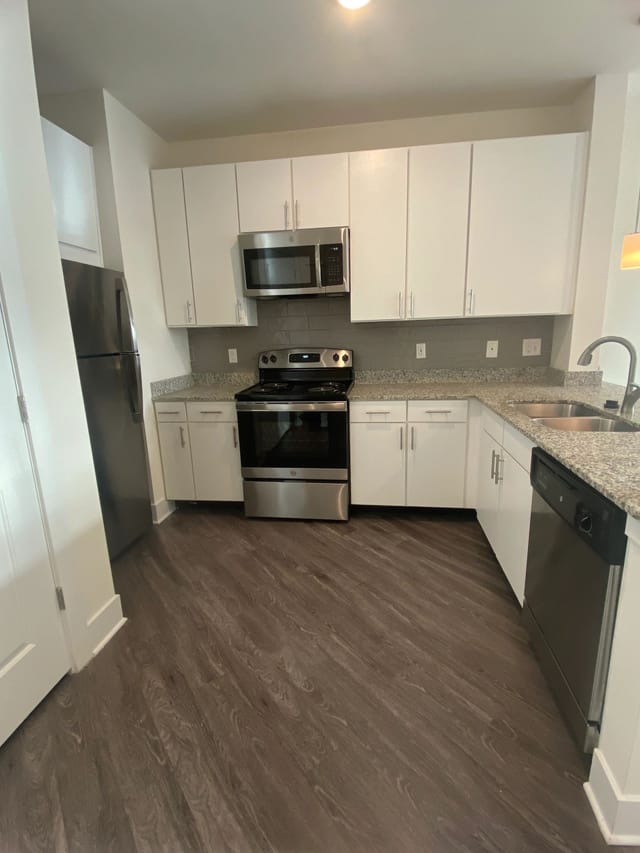
A routine clean keeps up a house that is already in order: kitchens and bathrooms, floors, dusting and trash, on a weekly or monthly schedule. A deep clean resets a house that has gone longer between cleans, or one that is about to be sold, rented or moved into: inside the oven and fridge, cabinet fronts, baseboards, doors and frames, vents and light fixtures, and the grout. A construction clean is a different job again. After drywall, paint, flooring or a remodel, fine dust settles on every surface and inside every cabinet, and paint spots, labels and debris are left behind. It usually takes a rough clean to clear the debris while the trades finish and a final clean once they're gone. Airbnb and rental turnovers are timed to the calendar instead: the clean fits between the check-out and the next check-in, and the place is reset for the next guest.
Construction dust is not ordinary dust
Cutting masonry, concrete or fiber-cement board makes dust that can carry respirable crystalline silica, and federal rules treat it seriously. OSHA's silica standard for construction says employers must not allow dry sweeping or dry brushing where it could add to workers' exposure to respirable crystalline silica, unless wet sweeping, HEPA-filtered vacuuming or other methods that keep exposure down are not feasible. It also limits the use of compressed air to clean clothing or surfaces. That is why a proper construction clean leans on HEPA vacuums and damp cloths, and the broom comes last.
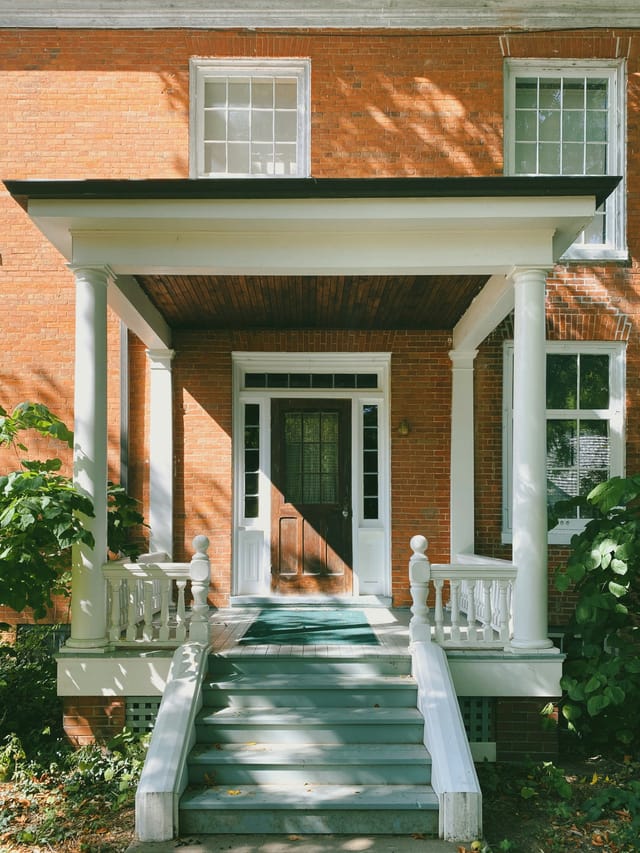
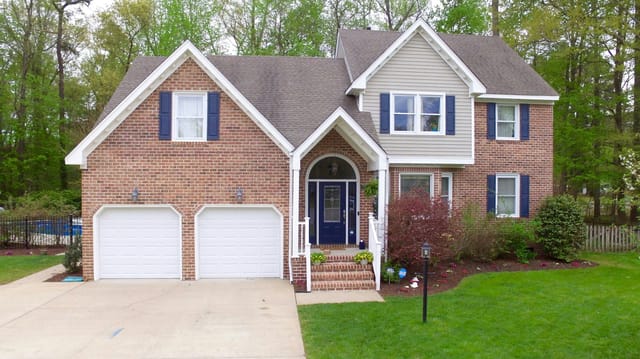
Older homes bring a second concern. By the Census Bureau's 2024 five-year estimates, 67.4 percent of Norfolk's homes and 68.1 percent of Portsmouth's were built before 1980, and paint in homes built before 1978 may contain lead. The EPA's guidance for work in those homes is to keep the work area clean every day and, at the end, to clean until no dust, debris or residue remains, using a HEPA vacuum, wet-cleaning wipes and a wet mopping system. Cleaning up after renovation work in an older home follows the same rule: capture the dust, don't spread it.
Humidity is part of the job here
Hampton Roads is damp much of the year, and moisture is what lets mold grow indoors. The EPA recommends keeping indoor humidity below 60 percent, ideally between 30 and 50 percent, running the bathroom fan or opening a window when showering, and using exhaust fans when cooking. When mold shows up on a hard surface, the EPA's advice is to scrub it off with detergent and water and dry the surface completely. For mold that keeps coming back in a shower, it suggests more ventilation and more frequent cleaning. If a moldy area is larger than about 10 square feet, roughly 3 feet by 3 feet, the EPA points to its guide for professional cleanup instead.
Condensation on windows, walls or pipes is an early sign of high humidity, and the EPA says to dry the surface quickly and reduce the moisture source. A regular clean is a good time to notice those signs: a musty closet, a stain spreading on a ceiling, a bathroom that never dries out. When we see them, we tell you, and because we also do drywall, painting and roofing, we can fix the cause as well as the stain.
What moves the price
The old line on our booking page still holds: prices vary. A cleaning is quoted on the size of the space, how long it has been since the last clean, the rooms and extras you want (inside appliances, windows, cabinets, baseboards), pets, and how often we come. One-time deep cleans and construction clean ups take longer than routine visits. A construction clean depends on the size of the project, how much debris is left and how many passes the job needs. Floors are their own line: vinyl tile that needs a strip and wax is priced by the area. Tell us what you need and we'll give you a free quote first.
Sources
- eCFR 29 CFR 1926.1153: Respirable crystalline silica, construction
- EPA: Renovation, Repair and Painting program for do-it-yourselfers
- EPA: Lead Renovation, Repair and Painting program rules
- EPA: A brief guide to mold, moisture and your home
- EPA: Mold cleanup in your home
- U.S. Census Bureau ACS 2024 5-year estimates via Census Reporter
- Stormy Services old website (home and booking pages)
- Stormy Services intake (2026-11-23)


