




A long city on the ocean
Virginia Beach runs 28 miles south from the mouth of Chesapeake Bay to the North Carolina line, with 28 miles of ocean front and Back Bay, a brackish lagoon and wildlife refuge, along its southern end. It began as a resort in 1887 and merged with Princess Anne County in 1963. With about 456,300 people in roughly 191,300 homes, it is by far the largest of the six cities we serve. Its land area is about 245 square miles, and the Census counts another 253 square miles of water inside the city limits.
Virginia Beach City Hall is about 16 road miles from Norfolk City Hall, around 27 minutes with no traffic. Real drive times at rush hour are longer, so we plan visits around them.
Townhouses and newer homes
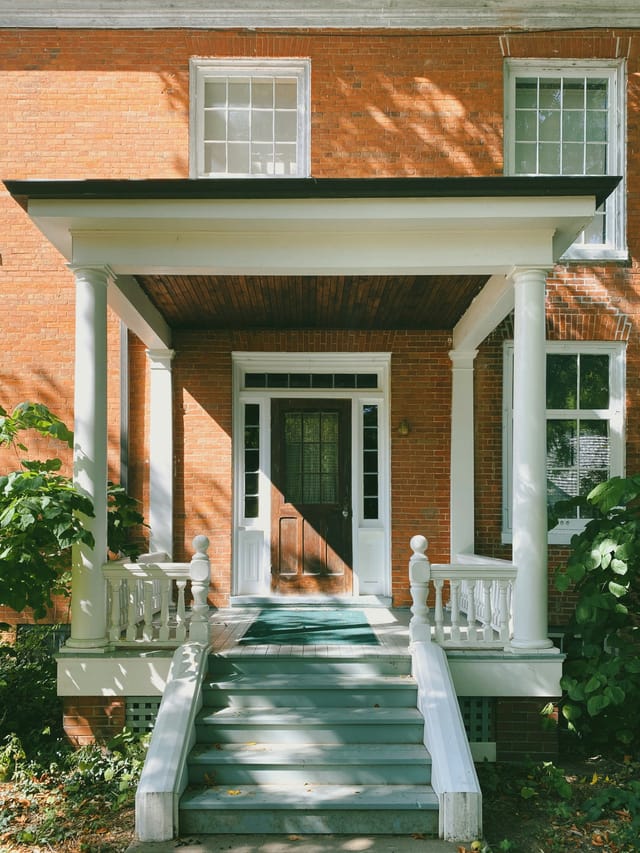
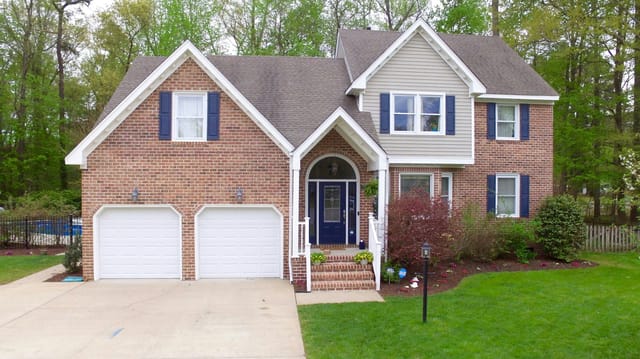
The housing here is newer than Norfolk's. The median home was built in 1984 and fewer than 4 in 10 (39.7%) were built before 1980. Virginia Beach also has the highest share of attached homes of the six cities: 18.5% are townhouses and similar row homes, next to 54.6% detached houses. About 35% of occupied homes are rented. In practice that means townhouse roofs that share a roof line with the neighbors, as well as whole houses, and a steady share of rental turnovers.
Storms from the ocean side
The ocean front takes the weather first. In Hurricane Matthew in October 2016, the National Weather Service reported considerable flooding in Virginia Beach and Chesapeake and wind gusts to 75 mph at NAS Oceana. In Isabel in 2003, the 15th Street fishing pier was significantly damaged. Salt air matters for repairs too: federal Building America guidance calls for hot-dip galvanized or stainless steel fasteners on shingle roofs within 3,000 feet of salt or brackish water, following the IBHS FORTIFIED program.
Permits after a storm
Virginia Beach's residential permit page lists roofing or siding replacements, and window or exterior door replacements that alter the frames, among the work that needs a building permit. The city's storm recovery guidance for single family homes says like-for-like replacement of roof covering, siding and windows does not need a permit, and that work to secure and weatherproof a house, such as tarping and boarding windows, can be done right away, with permit applications filed as soon as possible after. Because the two pages read differently, we confirm with the city's Permits and Inspections office before a full replacement. New structures in flood zones or the Chesapeake Bay Preservation Area may need environmental approvals first.
Sources
- American Community Survey 2024 5-year estimates, via the Census Reporter API U.S. Census Bureau.
- Virginia Beach city, VA: land area, TIGER/Line 2024 U.S. Census Bureau, via Census Reporter.
- Virginia Beach Encyclopaedia Britannica.
- The hurricane history of central and eastern Virginia National Weather Service, Wakefield.
- Hurricane Isabel, September 18, 2003 National Weather Service, Wakefield.
- Asphalt shingle roofs U.S. Department of Energy, Building America Solution Center.
- Residential building permits City of Virginia Beach.
- Storm recovery information City of Virginia Beach, Planning and Community Development.
- Virginia Beach City Hall, geocoded OpenStreetMap Nominatim.
- Drive times, OSRM route service OpenStreetMap data, free-flow times.


