


The first hours after storm or water damage
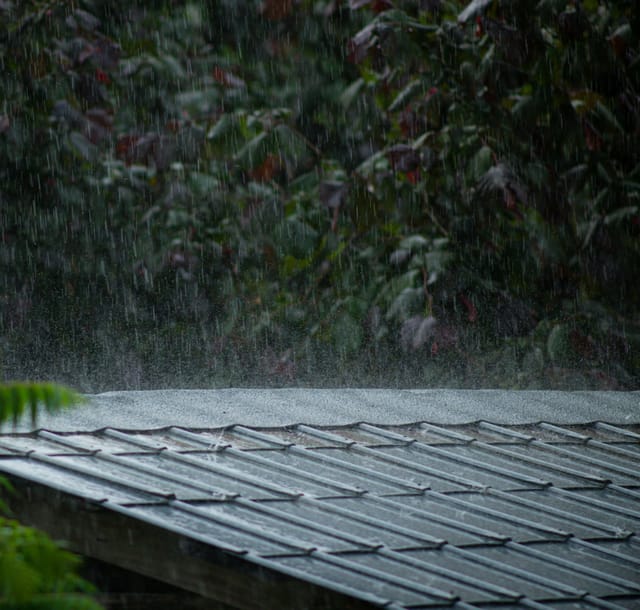
Water does most of the damage after a storm, and it keeps working after the wind stops. The EPA's advice is to dry water-damaged areas and items within 24 to 48 hours to prevent mold; materials that stay wet for more than two days usually get moldy, and porous materials such as ceiling tiles and carpet may have to be thrown away once mold takes hold. An open roof speeds everything up: IBHS testing shows that each inch of rain on an exposed roof deck can let the equivalent of nine bathtubs of water into a house.
So the order is always the same: make the house safe, stop the water, record the damage, then repair. Ready.gov, the federal preparedness site, says to document any property damage with photographs and to contact your insurance company for help. If you can do it safely, take the photos before anything is moved or covered, and keep the receipts for anything you buy to protect the house.
What can be done before a permit
Emergency work doesn't wait for paperwork. Virginia Beach's storm recovery guidance lists work that can be performed immediately: anything needed to secure, shore up or temporarily weatherproof a building, such as tarping, boarding windows and temporary structural bracing, with permit applications submitted as soon as possible after the temporary work is done. For single family homes, the same guidance says replacing roof covering, replacing siding and replacing windows like for like do not require permits. Homes with less than substantial structural damage may be restored to their condition before the storm, and the city lists insurance estimates and a contractor's written scope of work or contract among the typical documents for that permit.
The state building code is the baseline every city works from. It treats some ordinary repairs on houses as exempt from permits, including replacing 100 square feet or less of roof covering, 256 square feet or less of roof decking, and windows and doors of the same size that don't change the framed opening. A building official can still require a permit for replacement roofing, siding and windows in a historic district, and for exempt work in a special flood hazard area, which takes in a lot of low ground in Hampton Roads.
When a state of emergency is declared
Virginia's Post-Disaster Anti-Price Gouging Act applies during a declared state of emergency. Within the area the emergency covers, it is unlawful for any supplier to sell or offer necessary goods and services at an unconscionable price. To judge that, the law compares the price with what the same supplier charged in the 10 days before the disaster, and with what the same goods or services cost in the area over those 10 days. Whoever you call, ask for the price before the work starts. Ours comes as a free quote.
Hurricane season and what to have ready
The Atlantic hurricane season runs from June 1 to November 30, and the National Hurricane Center puts its peak on September 10. Hampton Roads remembers Hurricane Isabel on September 18, 2003: the National Weather Service recorded a five-foot storm surge at Sewells Point in Norfolk and more than 2 million Dominion Virginia Power customers without power. Ready.gov's advice before a storm is to clear drains and gutters, bring outside furniture in, consider hurricane shutters, and keep insurance policies and documents up to date and copied somewhere safe. Save our number with them: (757) 957-3340, call or text.
From a temporary fix to a proper repair
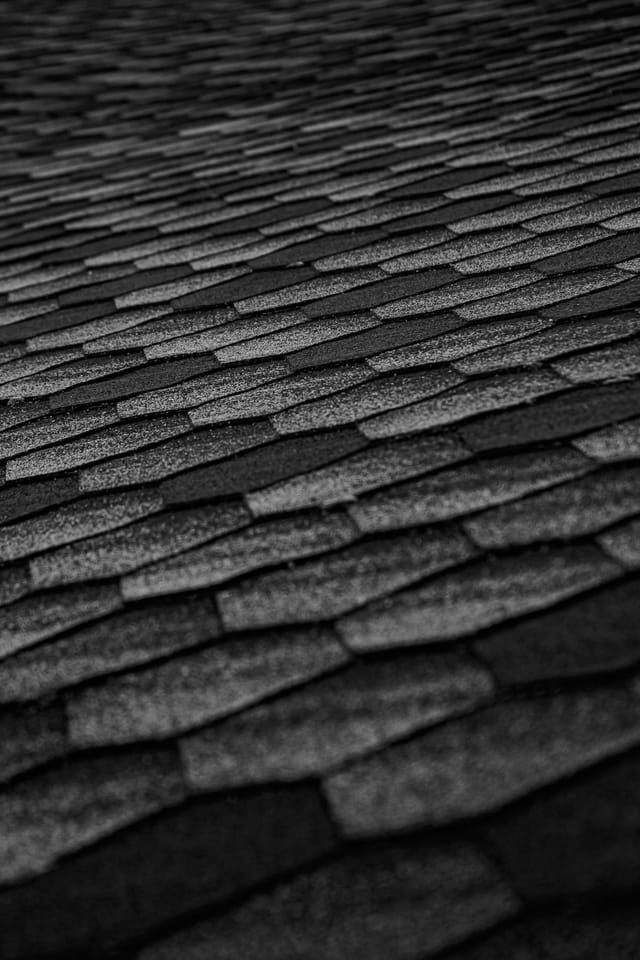
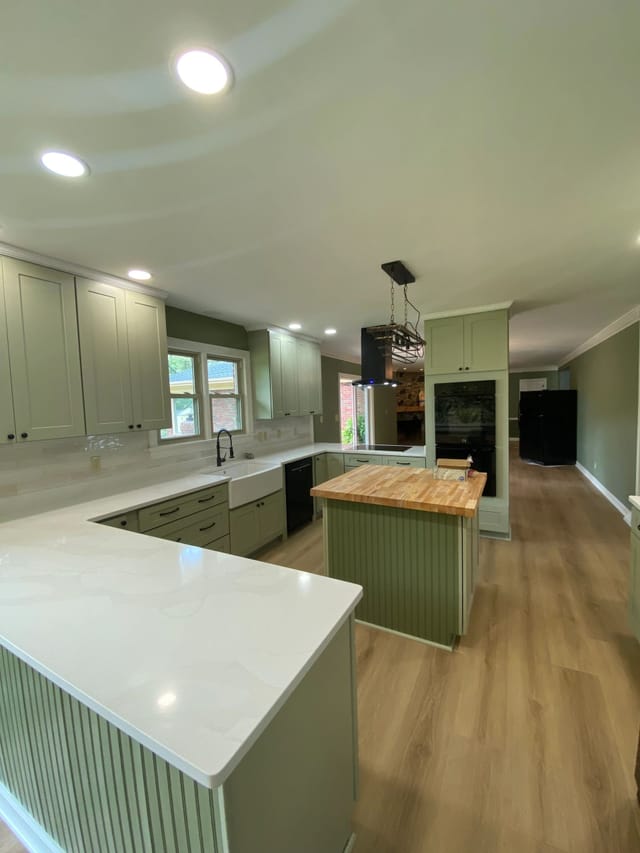
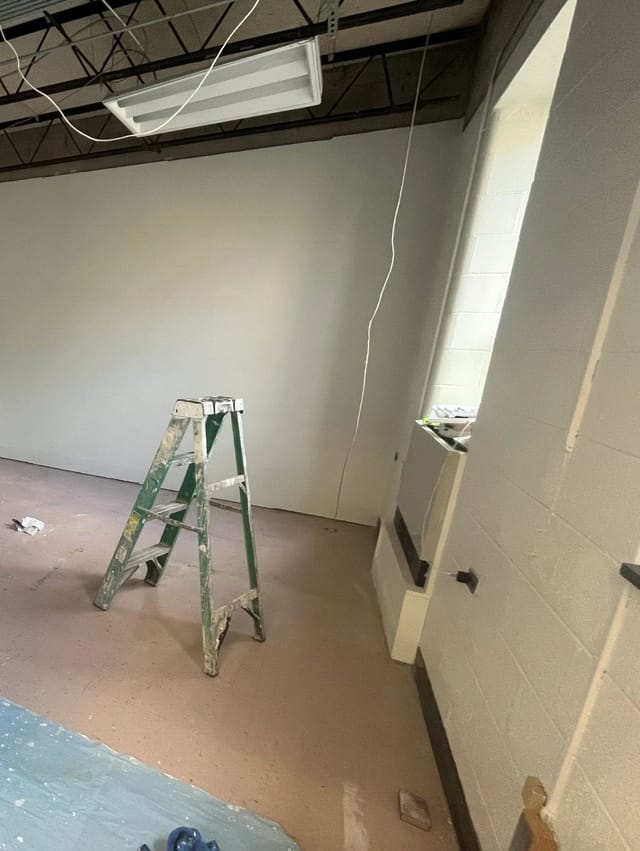
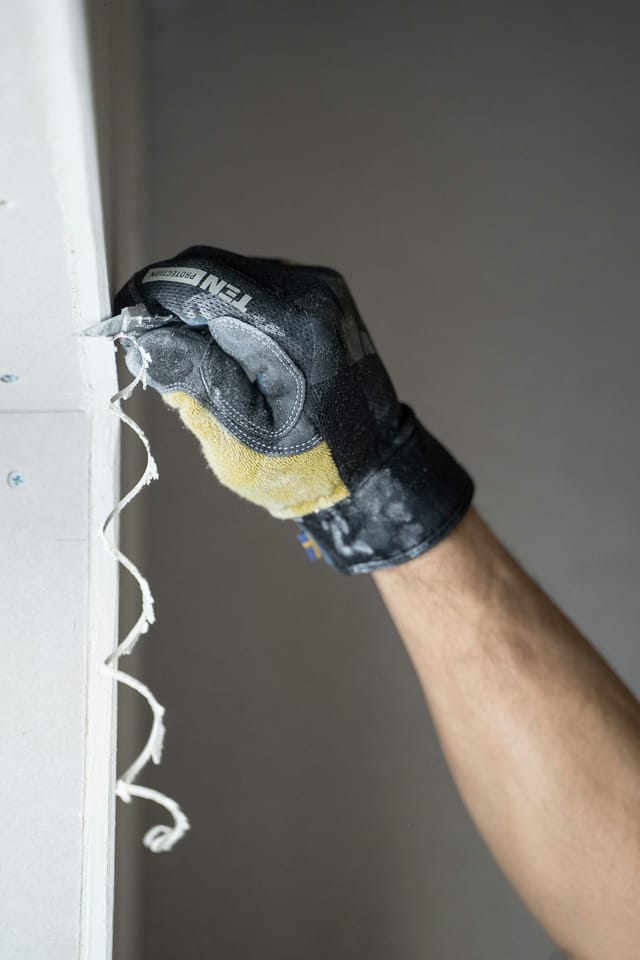
A tarp or a board holds the line for a few days. The repair comes after: the roof put back, the wet drywall cut out and replaced, the ceiling painted, the floor dried or replaced, the glass and the doors fitted, and the house cleaned. Because we handle roofing, drywall, painting, flooring, windows, doors and cleaning, the temporary fix and the proper repair are one job with one number to call, and the same people who covered the roof come back to finish it.
Sources
- EPA: A brief guide to mold, moisture and your home
- EPA: Mold cleanup in your home
- EPA: Flood cleanup to protect indoor air quality
- IBHS: FORTIFIED Roof
- Ready.gov: Hurricanes
- City of Virginia Beach: Storm recovery information, Planning and Community Development
- Virginia Administrative Code 13VAC5-63-80: USBC section 108, permits
- Code of Virginia § 59.1-527: Post-Disaster Anti-Price Gouging Act, prohibitions
- National Hurricane Center: Tropical cyclone climatology
- National Weather Service Wakefield: The hurricane history of central and eastern Virginia
- Stormy Services intake (2026-11-23); BBB business profile hours, "Open 24 Hours", Monday to Sunday


