


Humidity and dew decide the painting day
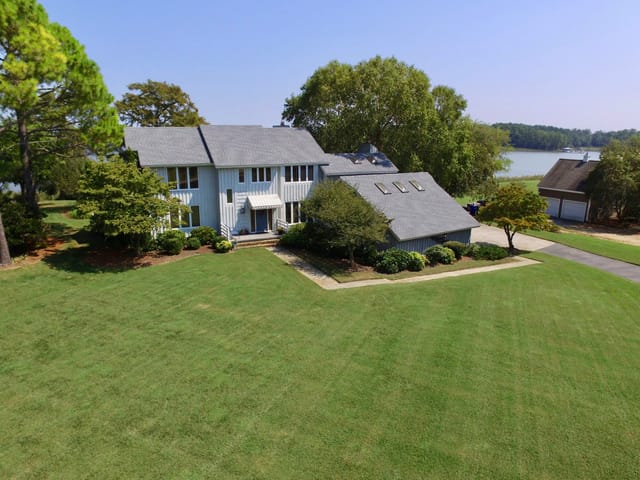
In a coastal region of rivers, bays and marsh, moisture in the air matters to paint as much as the temperature does. Benjamin Moore puts the industry standard plainly: paint a surface whose temperature is more than 5 degrees above the dew point, the temperature at which water droplets begin to condense. If the humidity is too high, paint can dry improperly. It also advises against painting in direct sunlight, because a dark wall that has been in the sun for a few hours can be much hotter than the air around it, and it puts the ideal painting temperature at 77°F.
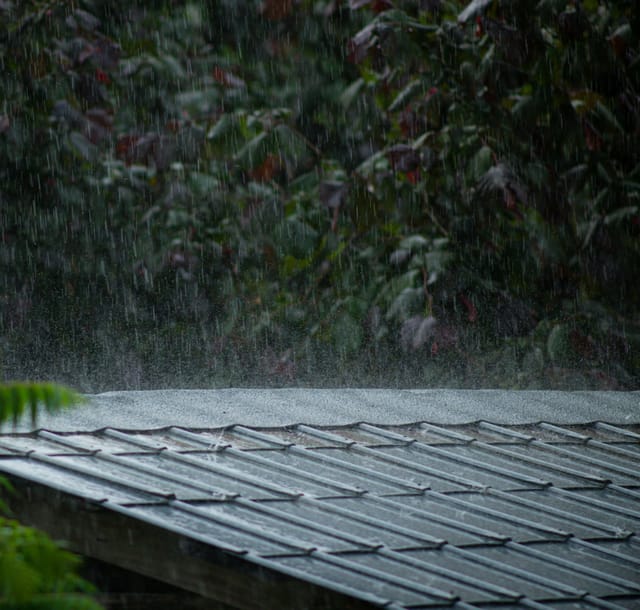
On a humid day that means exterior work waits until the dew has burned off the siding and stops early enough for the paint to set before the evening damp settles in, and rain in the forecast moves the schedule. Inside, the same moisture shows up as condensation on windows and mildew in bathrooms. The EPA says not to paint or caulk moldy surfaces: clean up the mold and dry the surface first, because paint applied over mold is likely to peel. It also recommends keeping indoor humidity below 60 percent, ideally between 30 and 50 percent, and running the bathroom fan or opening a window when showering, so a fresh coat stays fresh.
Older homes and lead paint
Hampton Roads has a lot of older housing. By the Census Bureau's 2024 five-year estimates, 67.4 percent of Norfolk's homes and 68.1 percent of Portsmouth's were built before 1980, Norfolk's median home was built in 1964, and across the metro area the figure is 44.2 percent. If a home was built before 1978, it may have lead-based paint, and the older the home, the more likely.
The EPA's Renovation, Repair and Painting rule covers paid work that disturbs paint in housing and child-occupied facilities built before 1978, and painting preparation is named in it, along with carpentry and window replacement. Firms doing that work must be EPA certified and use certified renovators who follow lead-safe work practices, unless there is documentation that the paint is not lead-based. Small jobs are exempt: six square feet or less of painted surface per room inside, or 20 square feet or less outside. Window replacement and demolition of painted surfaces are always covered.
If your home was built before 1978, ask any painter you hire for their EPA firm certification before the work starts. You should also expect the work area to be closed off, furniture and rugs moved out, dust collected with a HEPA vacuum and wet cleaning, and the area cleaned at the end until no dust, debris or residue remains, which is what the EPA asks of anyone doing this work.
When painting needs a permit
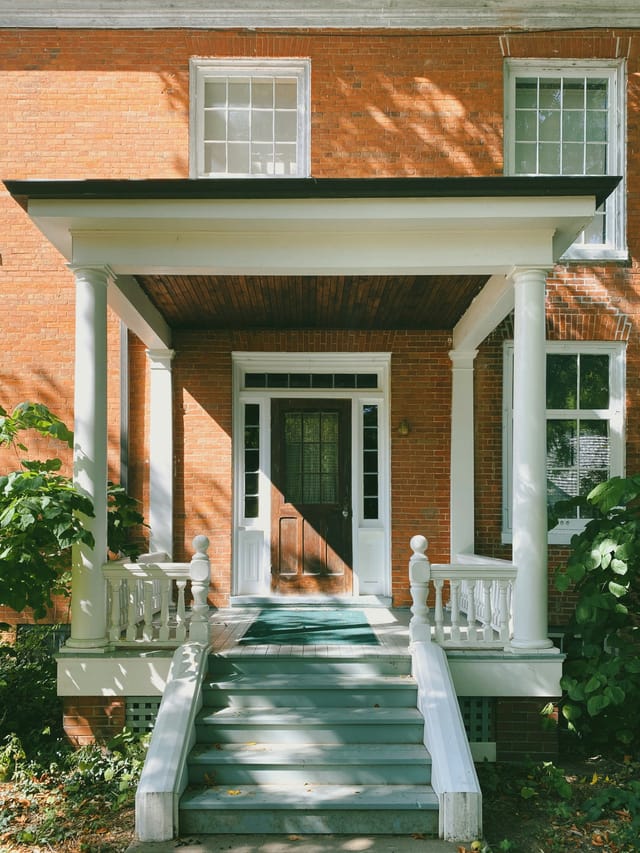
Virginia's building code lists the application of paint or wallpaper among the ordinary repairs that need no permit, along with replacing interior wall finishes in houses. Two exceptions apply to exempt work: a building official may require a permit for replacement siding, roofing and windows in a locally designated historic district, and for any exempt work in a special flood hazard area. Hampton Roads has several historic districts: Portsmouth's Olde Towne Historic District alone takes in more than twenty blocks of late 18th and 19th century buildings. If your house is in a historic district, check with the city's planning office before an exterior job that changes more than the paint.
What moves the price
Most of a good paint job is preparation, so that is where the price moves. The main factors are the wall area and its height, the number of colors, the condition of the surfaces (peeling paint, cracks, water stains, mildew), the amount of trim, the number of doors and windows, how much furniture has to move, and whether old paint in a pre-1978 home has to be disturbed. Outside, ladders or scaffolding, repairs to rotten trim and the weather all add to the plan. Inside, rooms can be painted around your schedule: at night in an office, or between tenants in a rental.
Sources
- Benjamin Moore: Optimal temperature to paint outside and inside
- EPA: Mold cleanup in your home
- EPA: A brief guide to mold, moisture and your home
- EPA: Lead Renovation, Repair and Painting program rules
- EPA: Renovation, Repair and Painting program for contractors
- EPA: Renovation, Repair and Painting program for do-it-yourselfers
- U.S. Census Bureau ACS 2024 5-year estimates via Census Reporter
- Virginia Administrative Code 13VAC5-63-80: USBC section 108, permits
- Virginia Department of Historic Resources: Portsmouth Olde Towne Historic District
- Stormy Services intake (2026-11-23)


