
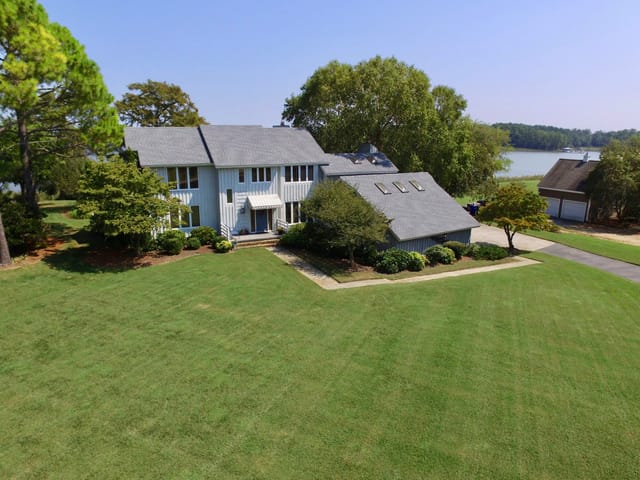



What Hampton Roads weather does to a roof
The Atlantic hurricane season runs from June 1 to November 30. The National Hurricane Center puts its peak on September 10, with most of the activity between mid-August and mid-October. Hampton Roads has the records to show what that means. When Hurricane Isabel passed on September 18, 2003, the National Weather Service measured gusts to 75 mph at the Norfolk naval air station, the tide at Sewells Point reached 7.9 feet above mean lower low water, a five-foot surge, and more than 2 million Dominion Virginia Power customers lost power.
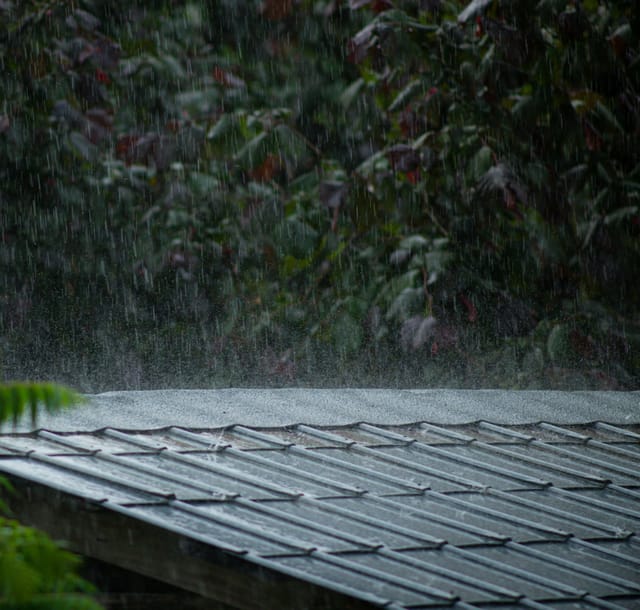
Wind rarely takes a whole roof at once. It lifts the edges first: the eaves, the rakes, the ridge and the shingles around a vent. Once a few shingles go, rain reaches the roof deck. The Insurance Institute for Business & Home Safety (IBHS) found that for every inch of rain that hits an exposed roof deck, the equivalent of nine bathtubs of water can pour into a home. That is why a few missing shingles after a storm are worth a call the same day, before the next band of rain comes through.
The water around us matters too. NOAA's tide gauge at Sewells Point in Norfolk shows relative sea level up 0.64 feet between 1992 and 2023, and a lot of the region's homes sit low and close to salt or brackish water, which is hard on nails, drip edge and flashing.
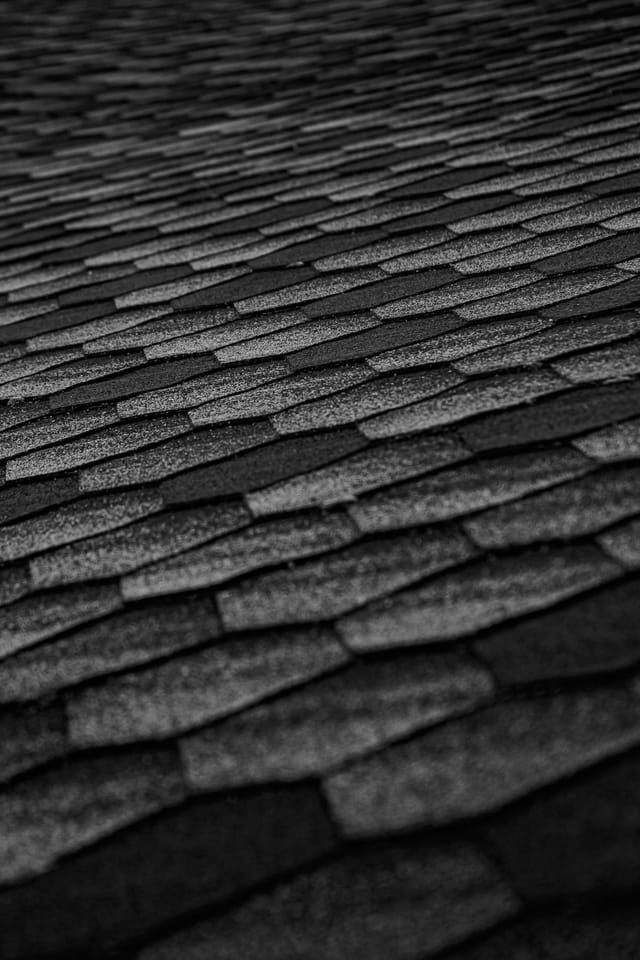
What a wind-ready shingle roof is made of
The Department of Energy's Building America Solution Center sets out how asphalt shingles should be installed where high winds and hurricanes are a risk, and most of it is about parts you never see once the roof is done:
- six nails per shingle, placed in the shingle's nailing zone and driven flush, and never staples;
- hot-dip galvanized or stainless steel fasteners when the house is within 3,000 feet of salt or brackish water, which covers many homes in Norfolk, Portsmouth and Virginia Beach;
- drip edge at the eaves and rakes, and flashing at every pipe, chimney and wall, worked in with the underlayment;
- shingles rated for the design wind speed where the house stands;
- bands of roof cement under the shingles and starter strips along the eaves, rakes, hips, ridges and open valleys.
The IBHS FORTIFIED Roof standard goes further. It seals the seams of the roof deck, so that if the shingles do blow off, far less rain gets through; IBHS says a sealed deck can cut that water by up to 95 percent. It calls for ring-shank nails in a tighter pattern to hold the deck down, which IBHS testing shows can double the uplift a roof can take. It also asks for attic vents that resist wind-driven rain and for soffits braced so the wind can't peel them off. When we quote a full re-roof, we can price these upgrades next to a standard roof so you can choose.
Permits for a re-roof in Norfolk and Virginia Beach
Virginia's building code lets some ordinary repairs on houses go ahead without a permit. Replacing 100 square feet or less of roof covering needs no permit in any wind zone, and replacing 256 square feet or less of roof decking on a house needs none either. Replacing an unlimited amount of roof covering on a house is exempt only where the nominal design wind speed is 100 mph or less. A building official may still require a permit for replacement roofing in a locally designated historic district, and for exempt work in a special flood hazard area.
Each city applies this to its own ground. Norfolk's permit guidance says building permits are not required for one and two family residential re-roofs, but a permit is required to change the roof pitch. Virginia Beach lists roofing or siding replacements among the residential alterations on its building permits page, and its storm recovery guidance lets owners tarp and temporarily weatherproof a home right away, then apply for permits as soon as possible after. We check with the city before a full re-roof starts.
What moves the price and the schedule
Every roof is quoted after we've seen it, because no two cost the same. The things that move the number are how many layers come off, how much decking is soft underneath, the pitch and the height of the roof, the number of valleys, chimneys, skylights and vents to flash, the shingle you choose and its wind rating, and upgrades like a sealed deck. Weather sets the schedule. A roof isn't opened with rain on the way, so a full tear-off is planned around a dry stretch, while a leak repair is a smaller job that can fit between storms.
Sources
- National Hurricane Center: Tropical cyclone climatology
- National Weather Service Wakefield: The hurricane history of central and eastern Virginia
- NOAA Tides and Currents: Sea level trends, Sewells Point, VA
- IBHS: FORTIFIED Roof
- Building America Solution Center: Asphalt shingle roofs
- Virginia Administrative Code 13VAC5-63-80: USBC section 108, permits
- City of Norfolk: Permit questions
- City of Virginia Beach: Residential building permits
- City of Virginia Beach: Storm recovery information, Planning and Community Development
- Stormy Services intake (2026-11-23)


