









A rental turnover runs on two clocks. One is the landlord's: every day a unit sits empty is a day without rent. The other is set by Virginia law, which puts deadlines on the move-out inspection, the security deposit and the next tenant's move-in report. In Hampton Roads, where more than half of occupied homes in Norfolk (53.7%) and Newport News (51.8%) are rented, those clocks run all year.
Here is what the Virginia Residential Landlord and Tenant Act asks for, and how the cleaning, patching and painting fit in between.
The move-out inspection
When a landlord asks a tenant to leave, or within five days of getting the tenant's notice that they plan to leave, the landlord has to tell the tenant in writing that they have the right to be present at the inspection that decides how much of the deposit comes back. If the tenant wants to be there, they say so in writing, and the inspection must be made within 72 hours of the tenant handing over possession. After it, the landlord gives the tenant a written security deposit disposition statement, including an itemized list of damages.
For the turnover crew, that inspection is the starting line. Nothing should be cleaned, painted or repaired until the unit's condition has been documented, because that record is what any deduction rests on.
What a deposit can cover, and when it's due
Virginia caps a security deposit at two months' rent. At the end of a tenancy it can be applied only to unpaid rent and reasonable late charges, to damages caused by the tenant's failure to meet their obligations, less reasonable wear and tear, to other charges set out in the rental agreement, and to actual damages for breach of the lease. The deposit and every deduction must be itemized in a written notice to the tenant, along with any amount due back, within 45 days after the tenancy ends or the tenant moves out, whichever comes last.
"Less reasonable wear and tear" is the phrase that matters most during a turnover. Faded paint after a long tenancy and a hole punched through a wall are different things, and the inspection notes and photos are how they get told apart. Landlords must also keep itemized records of deposit deductions for each tenant for the past two years.
The move-in report starts the next cycle
The turnover ends where the next tenancy begins. Within five days after a new tenant moves in, the landlord must give the tenant a written report itemizing damage that already exists in the unit. It is deemed correct unless the tenant objects in writing within five days. A landlord can also let the tenant prepare the report, or prepare it jointly.
A clean, freshly painted and repaired unit makes that report short. Every stain, scuff and patch left behind goes on it and becomes part of the record for the next move-out.
Turning the unit
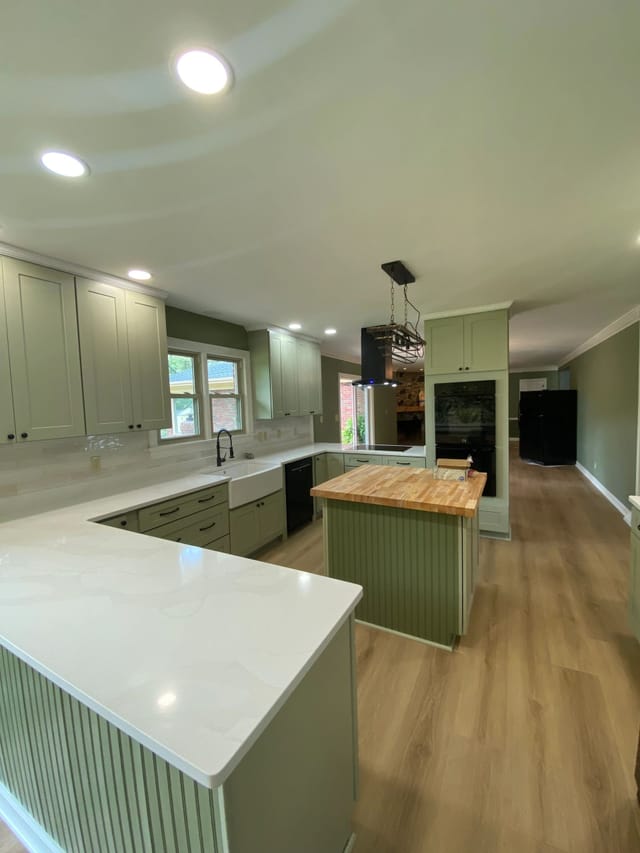
A make-ready usually comes down to the same list, in the same order:
- Document the unit after the move-out inspection: photos of every room, every wall and every floor.
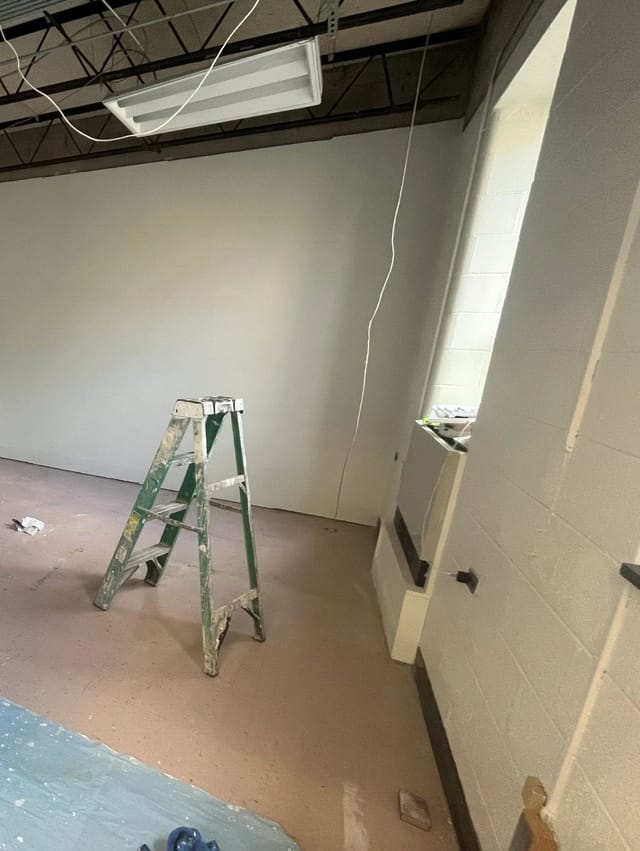
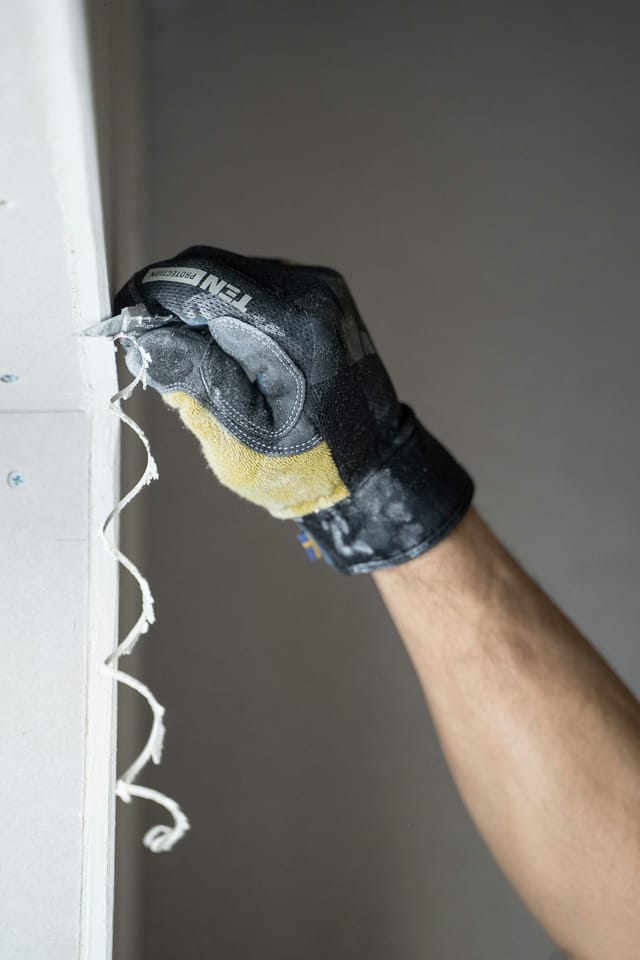
- Repair what the inspection found: drywall patches, doors and hardware, blinds, small fixes.
- Paint walls and trim that need it. In units built before 1978, plan for lead-safe work: EPA's renovation, repair and painting rule covers paid work that disturbs paint in pre-1978 homes, and it applies to owners who do the work themselves in a home they rent out.
- Clean top to bottom: kitchen and appliances, bathrooms, windows and tracks, cabinets inside and out, floors last.
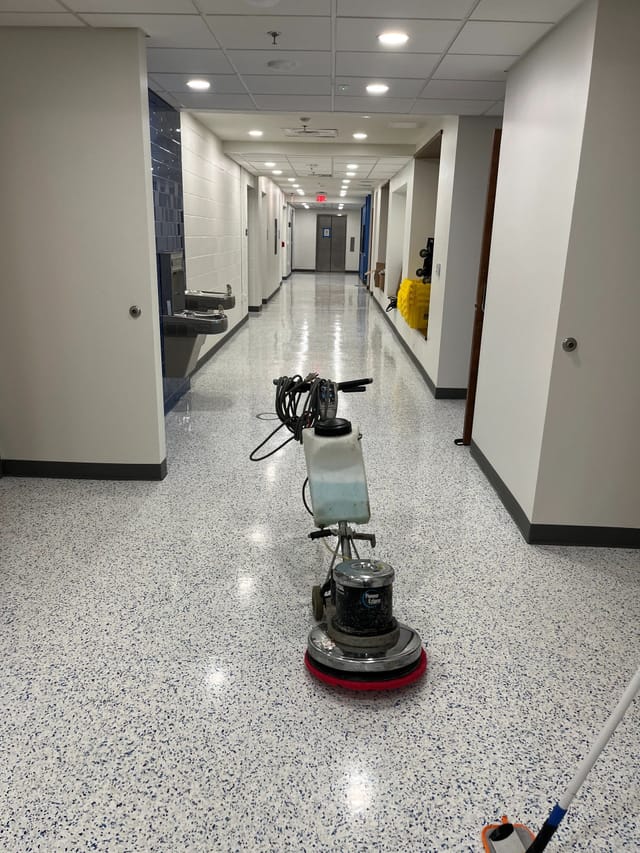
- Floors. Vinyl composition tile in kitchens, halls and common areas often needs more than a mop. Armstrong's maintenance instructions describe the restoring job: apply a diluted stripping solution, let it soak, keep it wet, machine scrub at 300 rpm or less, pick up the dirty solution with a wet vacuum, rinse with clean water, let it dry, then lay down 3 to 5 coats of floor polish. Where enough polish remains, a buff or burnish restores the gloss without a full strip. Armstrong also warns against aggressive no-scrub or no-rinse strippers on tile less than two years old.
Short-term rentals in Norfolk
Turnovers between guests run on an even tighter clock. In Norfolk, a short-term rental means renting a dwelling to a single party for at least one night and fewer than 30 consecutive nights, and every one needs a city Zoning Permit and a Business License. Guests are capped at two for each bedroom offered, online listings must match the bedroom and guest count on the permit, and changing the bedroom count requires a building permit. Administrative permits are valid for two years.
How we turn units
Apartment turns and house and Airbnb cleanings are core services for us, and we patch drywall, paint and strip and wax floors too. We work around the clock, which helps when the next tenant moves in on Monday. Call or text (757) 957-3340 for a free quote.
Sources
- Va. Code § 55.1-1226, Security deposits Code of Virginia.
- Va. Code § 55.1-1214, Inspection of dwelling unit; report Code of Virginia.
- American Community Survey 2024 5-year estimates, via the Census Reporter API U.S. Census Bureau.
- Lead Renovation, Repair and Painting Program Rules U.S. Environmental Protection Agency.
- Renovation, repair and painting: do-it-yourselfers U.S. Environmental Protection Agency.
- Vinyl composition tile (VCT) maintenance instructions Armstrong Flooring.
- Short Term Rentals City of Norfolk, Department of City Planning.
- Stormy Services, previous website (services) Stormy Services.
Every home is different. Talk to us about yours before you decide; nothing here replaces a look at the job.


