
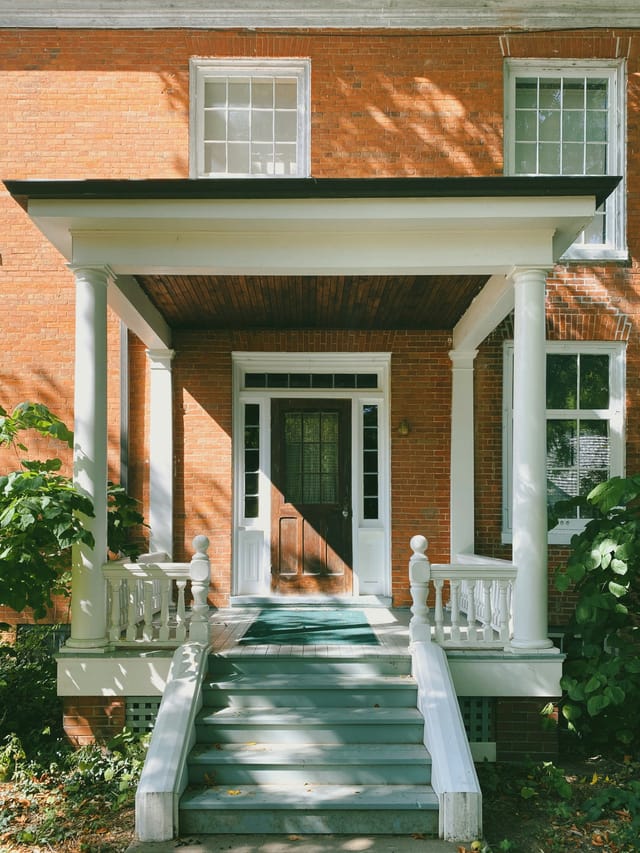
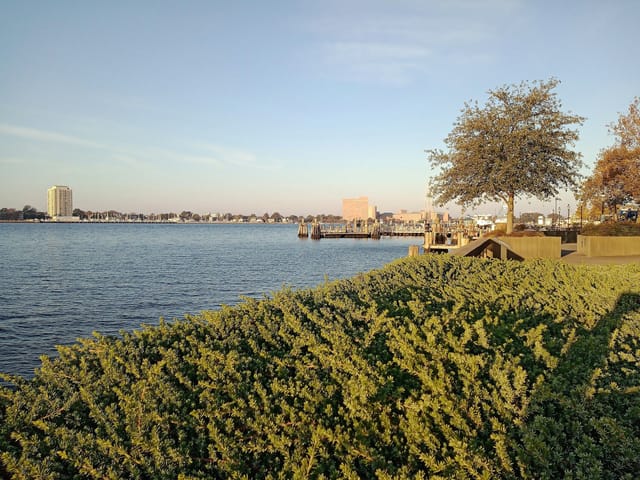

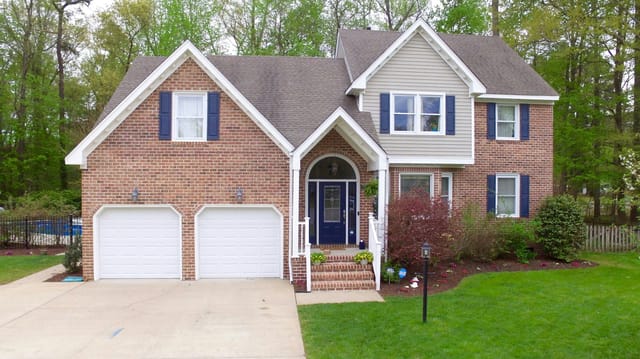
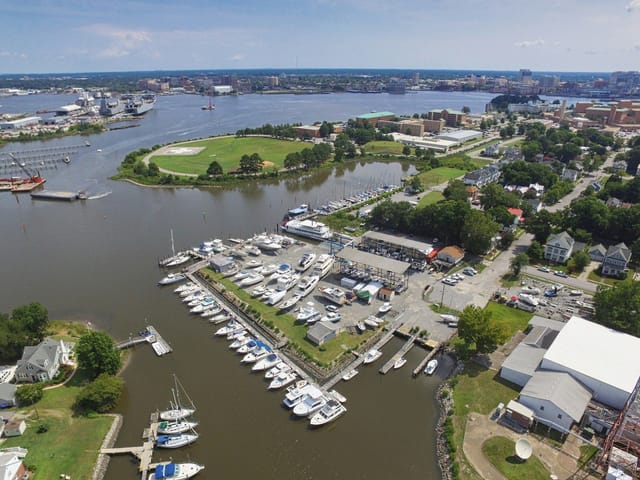
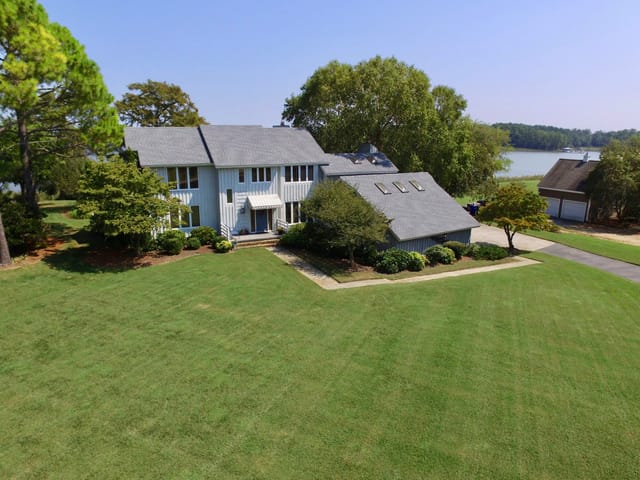


Norfolk is an old city by Hampton Roads standards, and its houses show it. The median home was built in 1964, two thirds of homes (67.4%) were built before 1980, and 44.4% were built before 1960, according to the Census Bureau's 2024 five-year estimates. Across the river in Portsmouth the share built before 1980 is even higher, at 68.1%.
That matters the moment someone picks up a scraper. Many of those walls, doors, windows and porches carry layers of paint from before 1978, and some of it may contain lead. A repaint is a good thing for an older house, as long as the old paint is disturbed the right way.
What EPA's rule says
EPA's Renovation, Repair and Painting rule has applied since April 22, 2010. It covers renovation, repair and painting projects that disturb lead-based paint in homes, child care facilities and kindergartens built before 1978. Firms paid to do that work must be EPA or state certified and must use certified renovators who follow specific work practices to keep lead dust contained. The rule reaches many kinds of outside contractors and even in-house maintenance staff.
The rule generally doesn't apply to homeowners working on their own homes. It does apply if you rent out all or part of the home, run a child care center in it, or buy, renovate and sell houses for profit. EPA's advice to homeowners is to hire a lead-safe certified contractor for any renovation, repair or painting project in a pre-1978 home, to ask contractors whether they are certified, and to use EPA's online search tool to find firms.
Start with the year the house was built
EPA's first step is simple: find out when the house was built. A home built before 1978 may have lead-based paint, and the older it is, the more likely. If you can't pin down the year, EPA says it is safest to assume the paint you are disturbing contains lead. A certified lead inspector or risk assessor can test the surfaces if you want to know for sure.
What lead-safe work looks like
Lead-safe work is mostly about dust: making less of it, keeping it in the work area and getting all of it out at the end. EPA's guidance describes the practices in steps.
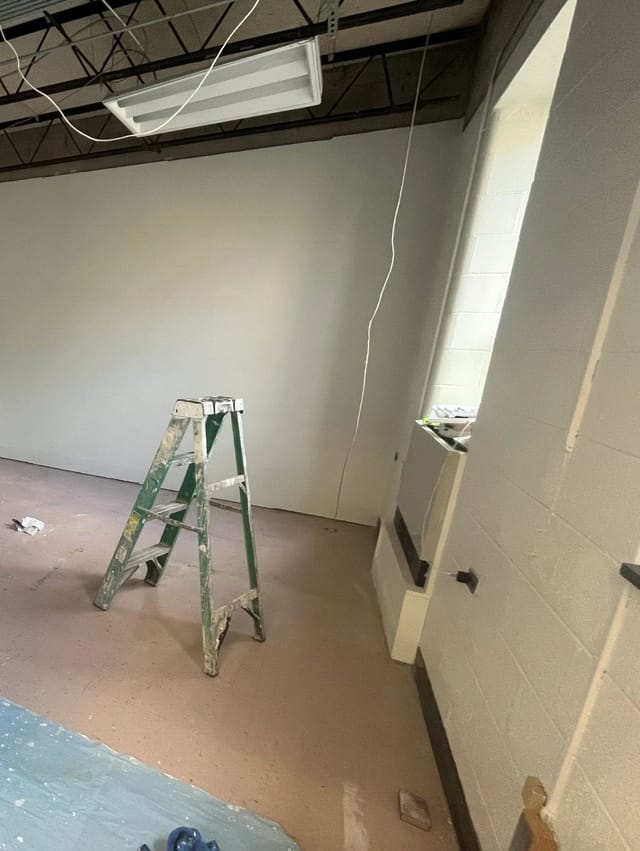
- Set up. Furniture, rugs, curtains and anything else that can move leaves the work area. What stays is wrapped in plastic and taped. Floors are covered in plastic sheeting, doors are closed and sealed, and windows in the work area are shut.
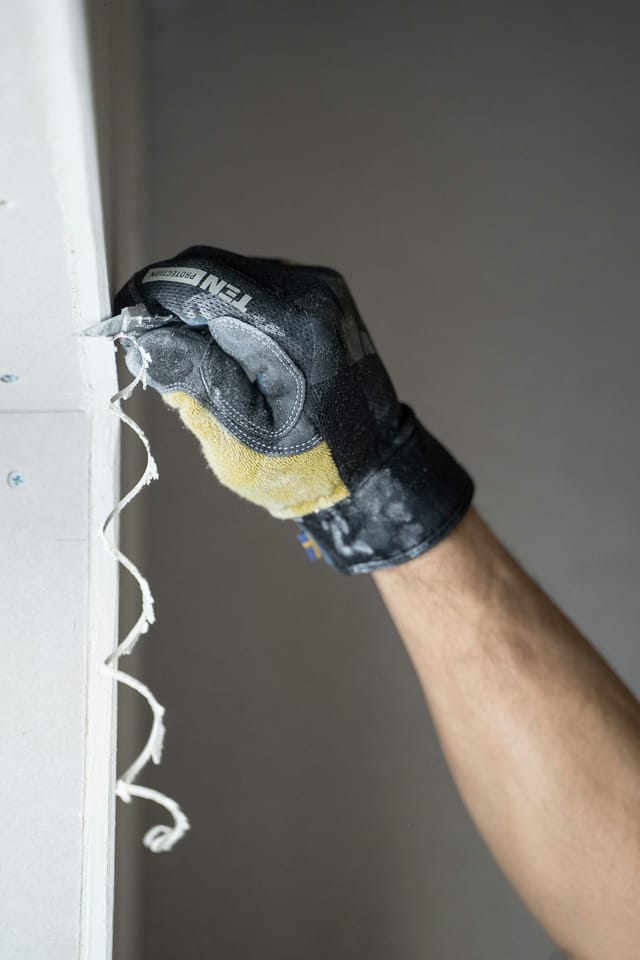
- Make less dust. Surfaces are misted before sanding, scraping, drilling or cutting. Wet-dry sandpaper and sanding sponges replace dry sanding, old paint comes off with a low temperature heat gun (under 1,100 degrees Fahrenheit) or a chemical stripper, and power tools are fitted with HEPA vacuum attachments.
- Clean as you go. Waste goes straight into heavy plastic bags, the area is vacuumed often with a HEPA vacuum, and tools are cleaned every day.
- Clean one more time. At the end, floors are mopped, walls are cleaned with a HEPA vacuum or a damp cloth, every surface is HEPA vacuumed, and then everything is wiped with wet disposable cloths until the cloths come away clean. A certified dust sampling technician can test the area afterward to confirm it.
Questions to ask before anyone scrapes
- When was the house built, and has the paint been tested?
- How will the work area be closed off from the rest of the house?
- How will dust be kept down during prep, and what happens to the waste?
- How will the area be cleaned at the end, and can it be tested?
- Is the firm doing the work certified under EPA's rule?
Paint on the right day
Hampton Roads weather adds its own challenge. Humidity that is too high can keep paint from drying properly. Benjamin Moore calls it the industry standard to paint only on a surface whose temperature is more than 5 degrees above the dew point, the temperature at which water droplets start to condense, and puts the ideal painting temperature around 77 degrees. On a humid day that usually means finishing exterior coats early enough to dry before the evening dew.
No permit for paint
Virginia's building code lists the application of paint or wallpaper among ordinary repairs that don't need a building permit. The prep work can change that: in Norfolk, removing drywall or opening up framing to fix what's behind old paint does need a permit, according to the city's permit FAQ.
How we work on older houses
We ask the year the house was built before we quote any painting job, and we plan how old paint will be contained and cleaned before anyone sands or scrapes. Call or text (757) 957-3340 for a free quote.
Sources
- American Community Survey 2024 5-year estimates, via the Census Reporter API U.S. Census Bureau.
- Lead Renovation, Repair and Painting Program Rules U.S. Environmental Protection Agency.
- Renovation, repair and painting: do-it-yourselfers U.S. Environmental Protection Agency.
- Optimal temperature to paint outside and inside Benjamin Moore.
- 13VAC5-63-80, Virginia Uniform Statewide Building Code, Section 108 Application for permit Virginia Administrative Code.
- Permits: frequently asked questions City of Norfolk.
Every home is different. Talk to us about yours before you decide; nothing here replaces a look at the job.


